
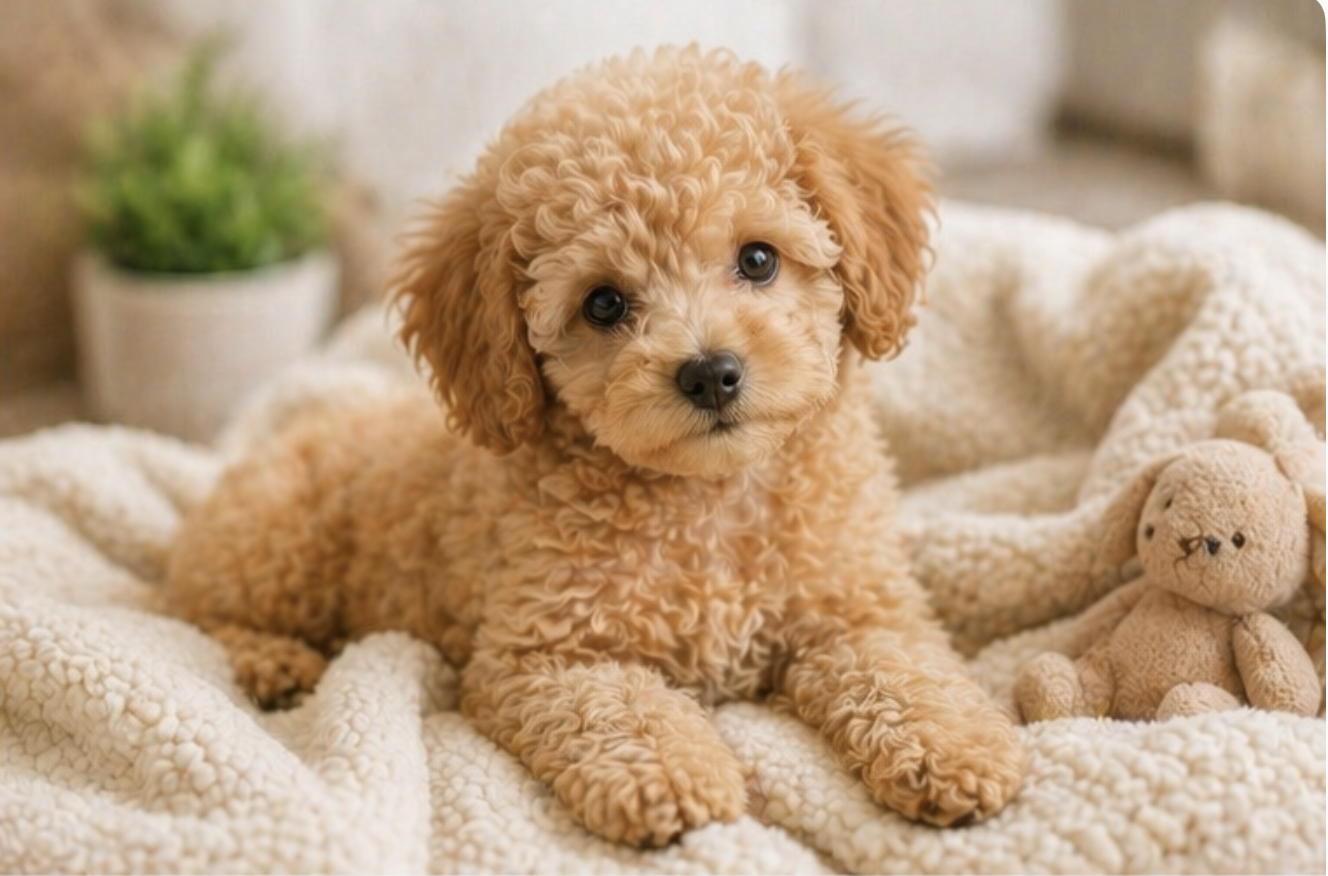
Poodle Puppy Checklist: Everything You Need
Bringing home a poodle puppy is exciting, sweet, and slightly chaotic. One minute you are imagining tiny paws on the floor, and the next you are wondering if you bought the right food, the right brush, the right crate, and enough chew toys to survive the first week.
This checklist keeps things simple. You do not need to buy every puppy product on the internet. You need the basics that help your poodle puppy feel safe, stay healthy, and settle into your home with less stress.
Whether you are bringing home a toy, miniature, or standard poodle, the core setup is mostly the same: food, sleep, potty training, grooming, safety, and a calm daily routine.
Before your poodle puppy comes home
The best time to prepare is before your puppy walks through the door. A little setup now makes the first few days much easier.
- Choose where your puppy will sleep.
- Pick a potty area outside or a temporary indoor potty plan.
- Move cords, small objects, and unsafe items out of reach.
- Buy basic grooming tools before the coat starts tangling.
- Decide on a feeding schedule.
- Find a veterinarian and schedule the first appointment.
A poodle puppy does not need a perfect home. They need a safe, predictable one.
Poodle puppy supplies checklist
Start with the essentials. You can always add extras later once you understand your puppy’s personality and daily needs.
Food and feeding supplies
- Puppy food: choose a complete puppy formula appropriate for your puppy’s size.
- Food bowl: stainless steel or ceramic bowls are easy to clean.
- Water bowl: keep fresh water available throughout the day.
- Measuring cup: helpful for consistent portions.
- Training treats: small, soft treats work best for early training.
If your puppy is coming from a breeder or rescue, ask what food they are eating now. A sudden food change can upset a puppy’s stomach, so transitions should be gradual.
Crate and sleeping setup
- Crate: large enough to stand, turn around, and lie down comfortably.
- Washable bedding: soft but easy to clean.
- Blanket: helpful for comfort and warmth.
- Crate cover: optional, but some puppies settle better with a darker space.
A crate should feel like a safe den, not a punishment. Keep the first sessions short and positive.
Potty training supplies
- Puppy pads if you plan to use them temporarily
- Enzymatic cleaner for accidents
- Poop bags
- Leash for outdoor potty breaks
- A consistent potty schedule
Poodles are smart, but puppies still need repetition. Take your puppy out after waking, eating, playing, and before bedtime.
Grooming supplies for a poodle puppy
Poodle puppies look fluffy and soft, but that coat still needs early care. Grooming should become normal before the adult coat comes in.
- Slicker brush: helps prevent tangles.
- Metal comb: checks whether the coat is fully brushed through.
- Gentle puppy shampoo: use dog-safe products only.
- Soft towel: for baths and rainy-day cleanup.
- Nail clippers or grinder: start slowly and reward calm behavior.
- Ear cleaner: ask your vet what is appropriate for your puppy.
Even if you plan to use a professional groomer, practice touching paws, ears, tail, and face at home. Short, gentle handling sessions make future grooming much easier.
Toys and enrichment
Poodle puppies are clever. That is wonderful, but it also means they can get bored quickly.
- Soft puppy toys
- Chew toys made for puppies
- Puzzle feeders
- Treat-dispensing toys
- A tug toy for supervised play
- A few toys you rotate instead of leaving everything out at once
Avoid toys that are too hard, too small, or easy to tear apart. Puppy teeth and gums are still developing.
Safety checklist for your home
Before puppy comes home, look at your house from puppy height. Anything interesting may become a chew toy.
- Hide electrical cords.
- Move houseplants out of reach.
- Keep cleaning products locked away.
- Put shoes, socks, and small items away.
- Use baby gates if needed.
- Check that trash cans are secure.
- Keep medications and supplements off counters.
First-week routine
The first week should be calm and simple. Your puppy is learning your home, your voice, your schedule, and where everything belongs.
Morning
- Potty break immediately after waking
- Breakfast
- Another potty break
- Short play or training session
- Nap time
Afternoon
- Potty break
- Lunch if your puppy is still on three meals per day
- Gentle play
- Short grooming practice
- Nap time
Evening
- Dinner
- Potty break
- Short training session
- Calm wind-down time
- Final potty break before bed
Training basics to start early
Poodles usually enjoy learning, but puppy training should be short and positive. Think tiny lessons, not long classes.
- Name recognition
- Come when called
- Sit
- Gentle leash introduction
- Crate comfort
- Handling paws and ears
- Calm alone time for short periods
Reward the behavior you want to see again. Puppies repeat what works.
Vet and health basics
Schedule a vet visit soon after bringing your puppy home. Bring any records you received from the breeder, rescue, or previous caretaker.
- Vaccination schedule
- Deworming history
- Flea, tick, and heartworm prevention
- Microchip information
- Feeding and weight guidance
- Questions about grooming, ears, teeth, and tear staining
Common mistakes new poodle puppy owners make
- Buying too much too soon: start with essentials, then adjust.
- Waiting too long to brush: grooming habits should begin early.
- Changing food suddenly: transition slowly when possible.
- Overwhelming the puppy: too many visitors and outings can be stressful.
- Skipping naps: tired puppies often become wild puppies.
Chico’s note 🐾
The best puppy setup is not the fanciest one. It is the one that makes daily life calmer for both of you.
Final thoughts
A poodle puppy brings joy, energy, and plenty of learning moments. With the right basics ready before they arrive, you can spend less time panicking over supplies and more time building trust.
Start simple. Keep routines predictable. Make grooming and training positive from the beginning. Your puppy does not need perfection on day one — just patience, structure, and a home that is ready for them.
