Best Dog Food for Poodles
Choosing the best dog food for a poodle can feel harder than it should. There are puppy formulas, adult formulas, grain-free bags, small-breed kibble, fresh food, sensitive stomach options, and long ingredient lists that all sound important.
The truth is simpler: most poodles need a complete, balanced diet that supports steady energy, healthy digestion, strong muscles, and a soft, healthy coat. The right food depends on your poodle’s size, age, activity level, sensitivities, and what your veterinarian recommends.
This guide explains what to look for in poodle food, what ingredients matter, how puppy and adult needs differ, and how to choose a food that fits real everyday life.
What makes poodle nutrition different?
Poodles come in toy, miniature, and standard sizes, but they all need high-quality nutrition. The biggest differences are portion size, kibble size, calorie needs, and life stage.
Toy and miniature poodles may do better with smaller kibble pieces that are easier to chew. Standard poodles may need larger portions and formulas that support a more active body.
The best food is not the fanciest bag. It is the food your poodle can digest well, maintain a healthy weight on, and enjoy consistently.
What to look for in dog food for poodles
A good poodle food should be complete and balanced for your dog’s life stage. Beyond that, look at protein quality, fat levels, digestibility, and whether the formula fits your dog’s specific needs.
1. Quality animal protein
Protein helps support muscles, energy, and overall body condition. Look for foods that list a clear animal protein source such as chicken, turkey, beef, lamb, salmon, or another named meat or fish.
2. Healthy fats
Fats help support skin and coat health. Omega fatty acids can be especially helpful for dogs with dry skin or dull coats.
3. Digestible carbohydrates
Many dogs do well with rice, oats, barley, sweet potatoes, peas, or other digestible carbohydrates. The right choice depends on your poodle’s tolerance.
4. Vitamins and minerals
Complete dog food should include the vitamins and minerals dogs need. This is one reason it is important not to feed an unbalanced homemade diet without veterinary guidance.
5. Life-stage fit
Puppies need puppy food. Adults need adult maintenance food. Seniors may benefit from formulas designed for aging dogs, depending on health and activity level.
Best types of food for poodles
There is no single perfect food format for every poodle. Each option has pros and tradeoffs.
Dry kibble
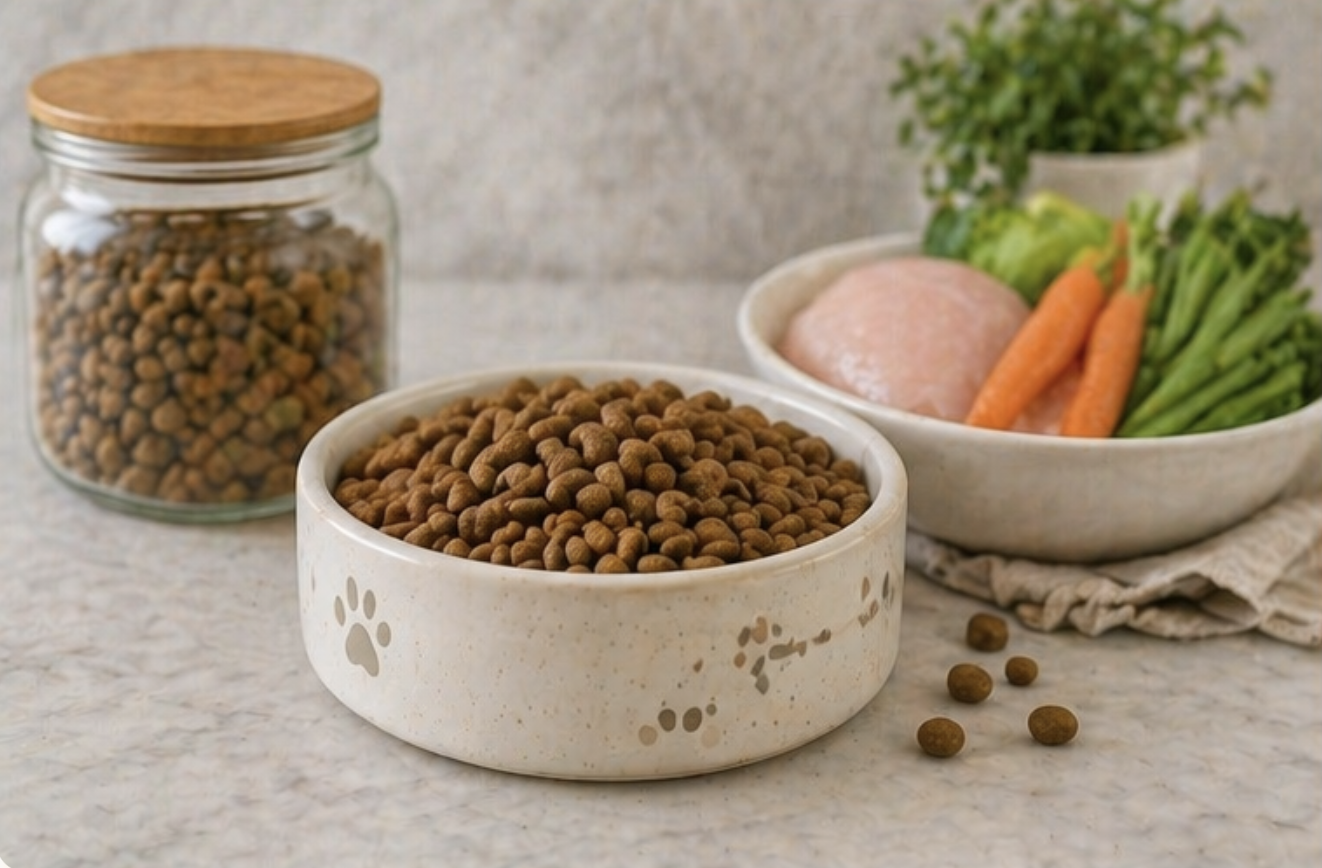
Kibble is convenient, affordable, easy to store, and available in many formulas. It works well for many poodle families.
- Best for: everyday feeding, budget control, easy storage
- Watch for: kibble size, ingredient quality, calorie density
Wet food
Wet food can be more appealing to picky eaters and may help dogs who need extra moisture in their diet.
- Best for: picky eaters, older dogs, dogs needing softer texture
- Watch for: cost, storage after opening, dental routine
Fresh dog food
Fresh food can be convenient and appealing, especially when it is formulated by veterinary nutrition professionals. It is usually more expensive than kibble.
- Best for: owners who want pre-portioned meals
- Watch for: price, storage space, proper transition
Freeze-dried or air-dried food
These foods are often used as full meals or toppers. They can be nutrient-dense, so portion control matters.
- Best for: toppers, travel, high-value meals
- Watch for: calories, cost, hydration needs
Food for toy, miniature, and standard poodles
Toy poodles
Toy poodles are small, so portion control is important. A little extra food can make a noticeable difference in weight. Small kibble may be easier for them to chew.
- Choose small-breed or small-kibble formulas when helpful.
- Measure portions carefully.
- Use tiny training treats to avoid extra calories.
Miniature poodles
Miniature poodles often need a balanced middle ground: enough calories for energy, but not so much that weight creeps up.
- Watch body condition, not just the number on the scale.
- Adjust portions based on activity level.
- Keep treats small and intentional.
Standard poodles
Standard poodles are larger and may be more active. They need enough protein and calories to support their size and muscle condition.
- Choose a formula appropriate for adult size and life stage.
- Ask your vet about growth needs if feeding a standard poodle puppy.
- Avoid overfeeding during growth.
Best food for poodle puppies
Poodle puppies need food formulated for growth. Puppy food supports development, energy, and healthy body condition while they are growing.
Do not switch foods suddenly when your puppy comes home. If possible, keep them on the same food for the first few days, then transition slowly if you choose a different formula.
- Use puppy food until your vet recommends switching to adult food.
- Feed on a consistent schedule.
- Measure meals instead of free-feeding all day.
- Monitor stool quality during food transitions.
Best food for poodles with sensitive stomachs
Some poodles have sensitive digestion. If your dog often has loose stool, gas, vomiting, itching, or recurring ear issues, talk to your vet before changing foods repeatedly.
Sensitive stomach formulas may use limited ingredients, gentle proteins, or easy-to-digest carbohydrates. But the right choice depends on the cause of the problem.
- Change food slowly over 7–10 days when possible.
- Keep treats and table scraps limited during transitions.
- Track symptoms and ingredients.
- Ask your vet about allergies or intolerances if symptoms continue.
Ingredients to be careful with
Not every ingredient with a scary name is bad, and not every “natural” label means the food is better. Still, it is smart to read labels carefully.
- Unnamed meat sources: named proteins are easier to understand.
- Too many rich extras: some dogs get digestive upset from overly complex formulas.
- Excess calories: small poodles can gain weight quickly.
- Frequent formula changes: switching too often may upset digestion.
How much should you feed a poodle?
Start with the feeding guide on the dog food package, then adjust based on your poodle’s body condition, age, activity level, and your veterinarian’s advice.
Feeding charts are only starting points. A very active poodle may need more. A less active indoor poodle may need less.
- Measure food with a real measuring cup or kitchen scale.
- Check body condition every few weeks.
- Count treats as part of daily calories.
- Adjust portions slowly instead of making big sudden changes.
Signs your poodle’s food may be working well
- Healthy, steady energy
- Normal stool quality
- Healthy body weight
- Shiny coat
- Comfortable skin
- Good appetite
- No frequent stomach upset
Signs to discuss with your vet
Food can affect digestion and skin, but symptoms can also come from medical issues. Talk to your vet if you notice ongoing problems.
- Chronic diarrhea or vomiting
- Sudden appetite changes
- Unexplained weight loss or gain
- Constant itching
- Recurring ear infections
- Dull coat or hair thinning
- Lethargy or unusual behavior
Simple poodle feeding routine
A predictable routine helps with digestion, potty habits, and training.
Morning
- Fresh water
- Measured breakfast
- Potty break after eating
Afternoon
- Small training treats if needed
- Water check
- Lunch for young puppies if still on three meals
Evening
- Measured dinner
- Calm time after eating
- Final water and potty routine before bed
Chico’s note 🐾
The best food is the one that helps your poodle feel good every day — not just the one with the prettiest bag.
Final thoughts
The best dog food for poodles depends on your dog’s size, age, digestion, activity level, and health needs. A toy poodle puppy and an active standard poodle adult may need very different feeding plans.
Start with a complete, balanced food from a trustworthy brand. Watch how your poodle feels, looks, and digests it. Then adjust carefully with your vet’s guidance when needed.
Good nutrition does not have to be complicated. It just needs to be consistent, thoughtful, and right for the dog in front of you.
